
Mouth Guards in Milwaukie, OR
Nightguards protect the teeth for people who clench or grind their teeth during sleep.
Bruxism is a movement-related disorder in which you frequently grind or clench your teeth.
If you have bruxism, you may unconsciously clench your teeth while awake or clench and grind your teeth during sleep (sleep bruxism).
Mild cases may not require treatment, but severe or frequent bruxism can lead to jaw disorders, tooth damage, and other complications.
Mouthguards vary in quality, size, and material depending on their purpose.
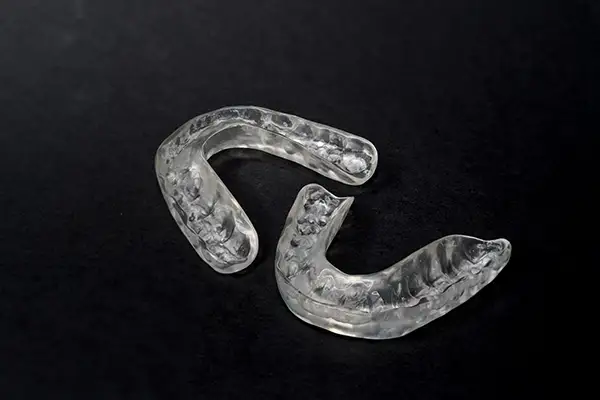
If you suffer from bruxism, it is important to address it properly, as using the wrong type of mouthguard can worsen symptoms.
Schedule a consultation with one of our dentists at Sue Walker Dentistry, who can assess your risk areas and recommend the most suitable mouthguard for you.
Relation Between Sleep Bruxism And Obstructive Sleep Apnea
A 2019 two-year study by the Department of Internal and Occupational Diseases, Hypertension, and Clinical Oncology in Wroclaw, Poland, examined the relationship between sleep bruxism and obstructive sleep apnea (OSA). The findings show that the link between sleep bruxism and obstructive sleep apnea depends on the severity of OSA.
Mild to moderate OSA is associated with sleep bruxism in patients at higher risk for OSA, and diabetes may also be a potential risk factor for sleep bruxism. Sleep bruxism can be triggered by sleep apnea as the brain attempts to increase oxygen levels during sleep.
Studies indicate that wearing a properly fitted nightguard may help manage sleep apnea and, in turn, reduce sleep bruxism. It is important to note that home remedies, such as over-the-counter mouthguards, may be harmful. Improper devices can misalign the teeth and jaw and contribute to plaque buildup over time.
Risks Of Not Using A Nightguard During Sleep
Untreated sleep bruxism can cause permanent damage to teeth, wearing down surfaces and flattening them. In severe cases, grinding may expose tooth nerves, leading to temperature sensitivity and severe pain.
It can also result in cracked or lost teeth and gum recession. Clenching during sleep often causes jaw pain, and you may notice soreness in the temples or tightness in the jaw the next day.
Prolonged clenching or jaw tension can contribute to temporomandibular joint disorder (TMJ), which may present as jaw pain, popping, headaches, or face and neck discomfort.
Signs You May Need A Nightguard
Common signs that you may need a nightguard include waking with jaw soreness or stiffness, headaches in the morning, worn or flattened teeth, and teeth that appear chipped or cracked. Some people notice ear or temple pain, increased tooth sensitivity, or difficulty opening their mouth fully.
If you recognize any of these symptoms, it is important to consult with our dentist, as early intervention can prevent more serious dental and jaw problems.
Do You Need A Nightguard?
If you have concerns about bruxism for yourself or your child, visit Sue Walker Dentistry to consult with our dentist. Whether clenching or grinding occurs while awake or asleep, your dentist can identify the signs during a dental exam.
Using information from the assessment, Dr. Walker will recommend the appropriate mouthguard to protect the areas at risk related to your specific bruxism. Call us today to schedule a consultation: 971-447-4385.